
Home Exterior Construction in Pleasant Hill, OR
Local General Contractor Expertise
In the farmland and river valleys near Pleasant Hill, OR, we bring general contractor and siding contractor services to homes built on rural lots and family properties. This page covers framing, home additions, ADUs, deck and fence work suited to Lane County's wetter climate and seasonal building windows. You'll find practical advice for choosing materials and planning projects that work here.
How We Work
From the first conversation through final inspection, we map each phase so you always know what comes next.
Site Walk & Planning
We visit your property, review site conditions, check drainage and sunlight. Then we outline materials and timeline suited to Pleasant Hill's wet season and permit requirements.
Permits & Prep
We handle Lane County building permit applications and document everything with the local building official. Utilities are marked, site is cleared, and demolition (if needed) starts on schedule.
Install & Build
Framing, rough-ins, and interior work proceed in phases. We work around weather windows and schedule inspections as required. You receive weekly updates on progress.
Finish & Inspection
Final touches, siding or roofing work, and interior finishes are completed. Official inspection happens. You walk through with us and approve the work before closeout.
You'll always know what's happening next—and when.
Our Services
Framing & Structural Work
We frame additions, ADUs, and outbuildings using graded lumber and modern methods. All work meets Oregon Building Code and resists the moisture and seasonal shifts common in Pleasant Hill's river-valley location.
- Additions to existing homes that tie seamlessly into older framing
- ADU construction with proper utilities and setback compliance
- Deck framing on rural sites with frost-depth footings
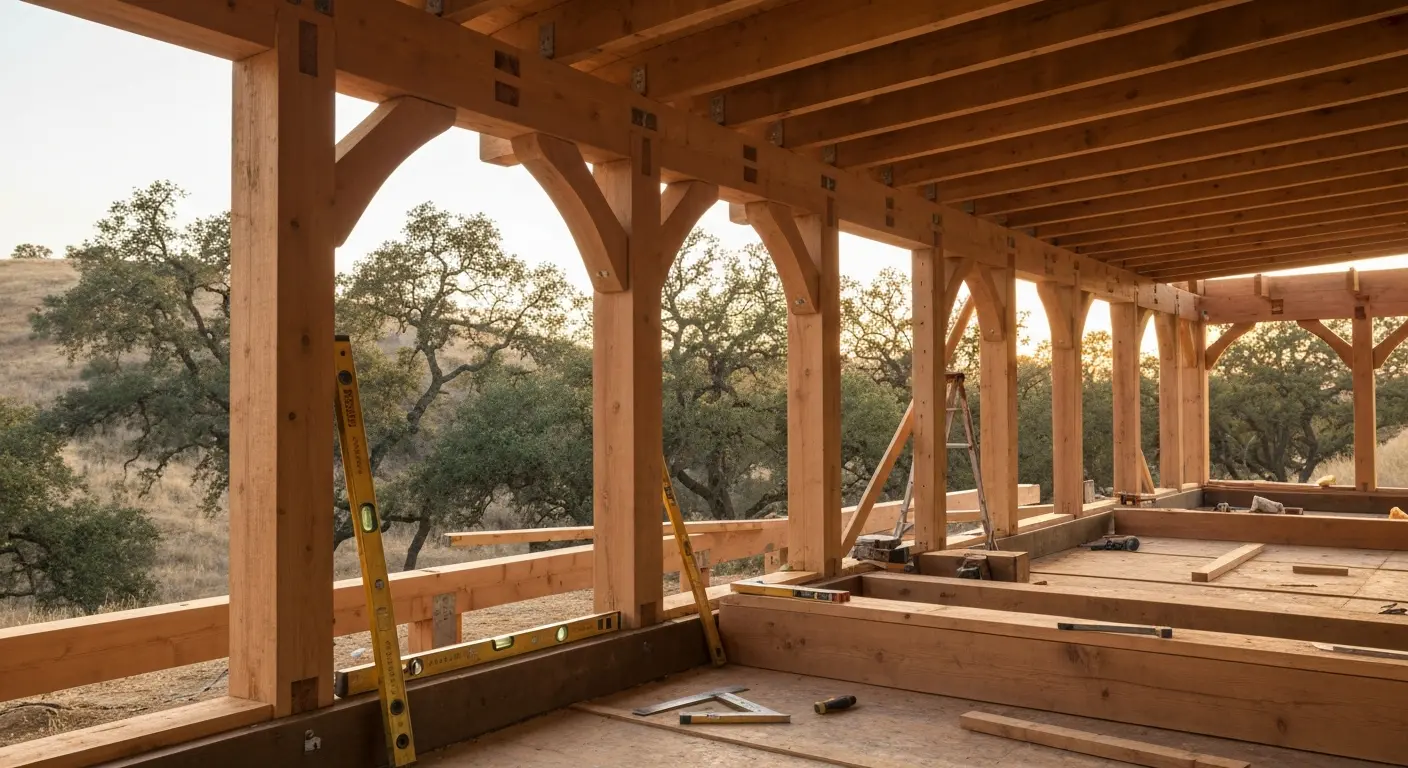
Post-and-beam addition framing for rural Pleasant Hill property
Siding & Exterior
Siding replacement and new installations handle the wet Oregon climate. We install fiber cement, vinyl, and composite materials that resist rot and moisture. All work includes proper flashing and drainage for long-term durability.
- Fiber cement siding with 30+ year durability and fire resistance
- Vinyl siding replacement for older homes in need of updates
- Flashing and water management to prevent rot in high-moisture zones
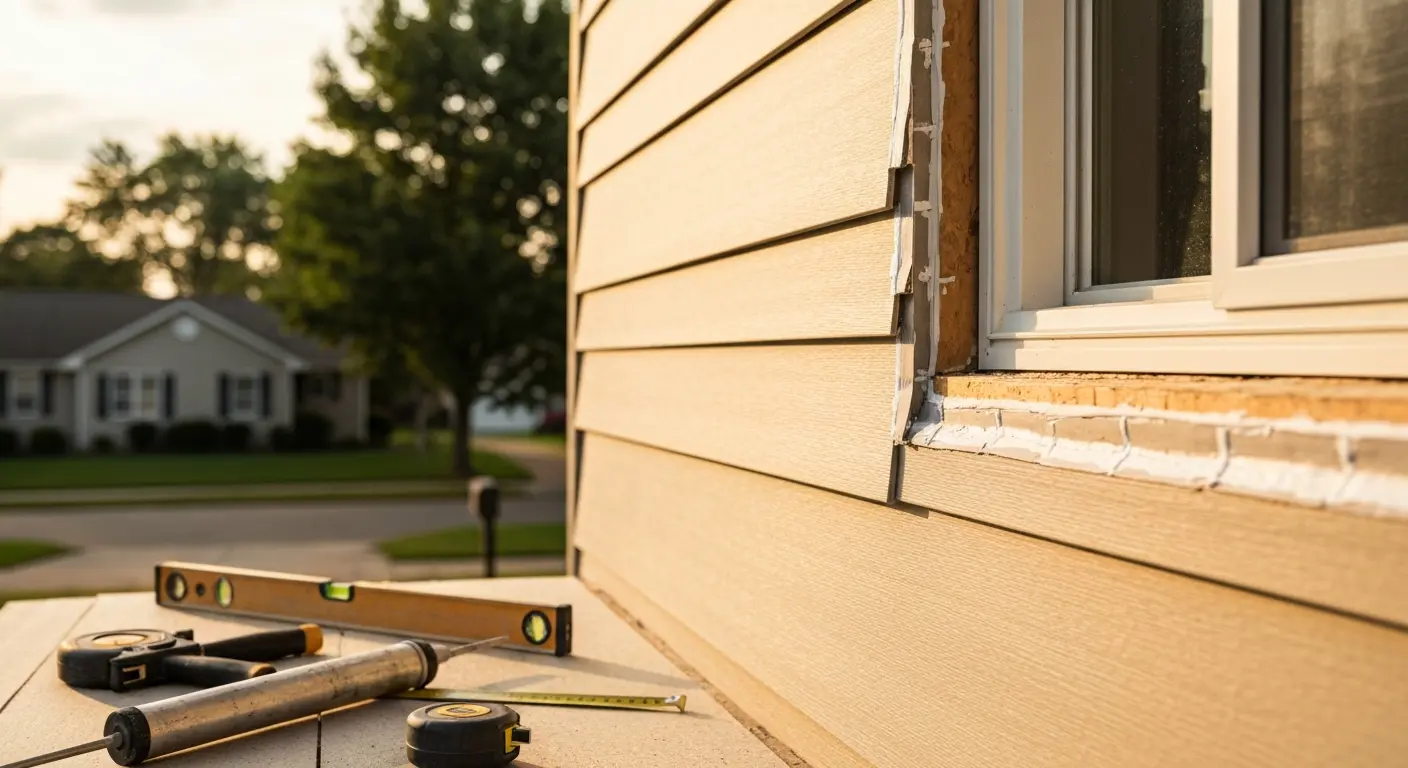
Fiber cement siding installation with proper water-management flashing
Decks & Fencing
Outdoor structures for rural lots require proper footings, set below frost depth, and weather-resistant materials. We build decks and fences that handle seasonal moisture and remain safe and attractive for years.
- Pressure-treated and composite deck boards resisting rot and insects
- Vinyl and wood fencing with proper drainage for wet ground
- Frost-depth footings meeting Lane County code and seasonal requirements
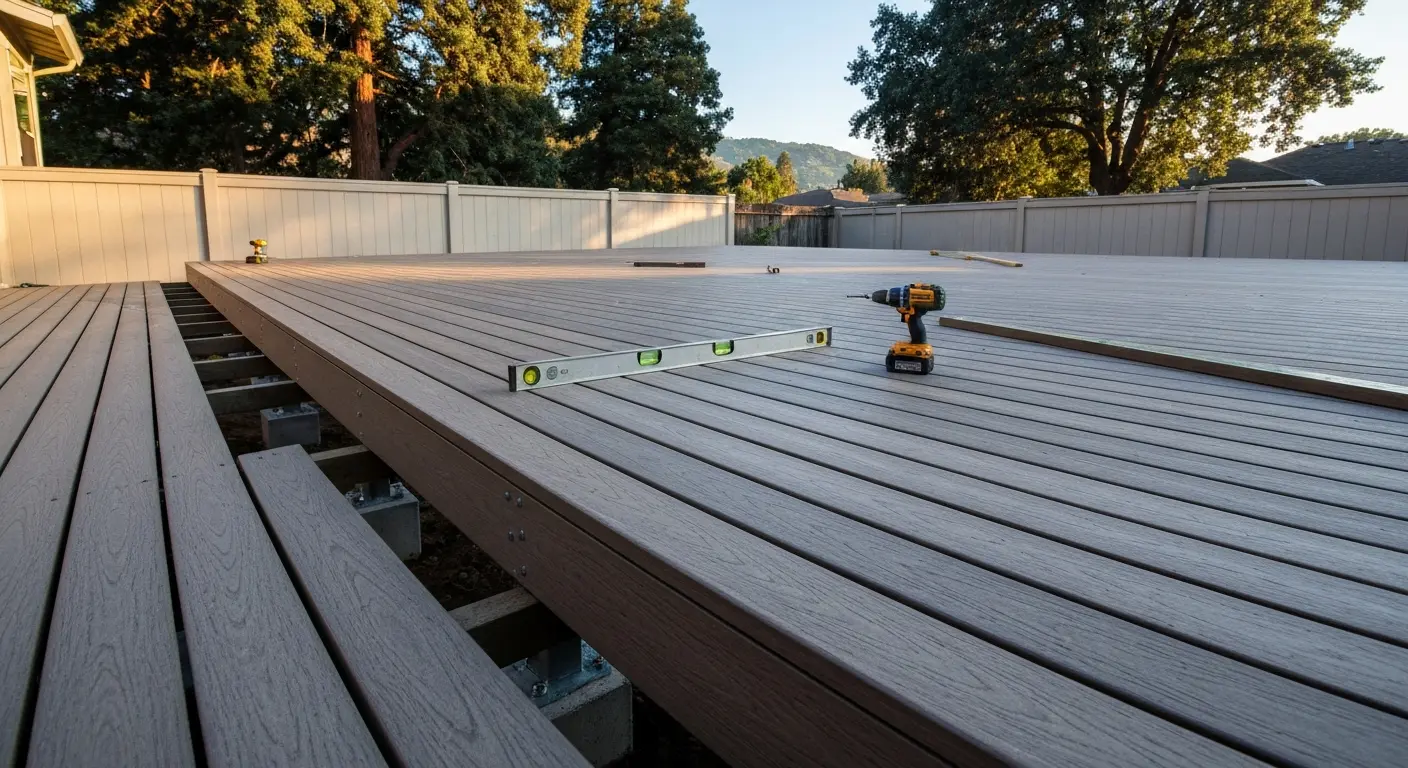
Composite deck with proper frost footings built for Pleasant Hill climate
Why Local Expertise Matters
Pleasant Hill sits between the Middle Fork and Coast Fork Willamette Rivers. Seasonal rainfall, moisture in the air, and shifting ground conditions demand materials and methods built for this specific environment.
Climate & Moisture Management
Oregon's damp conditions mean wood siding and older buildings are prone to rot if not properly protected. We select materials, install flashing, and manage drainage so water sheds away from walls and foundations. Regular maintenance cues help homeowners avoid costly repairs.
Lane County Permits & Building Code
Lane County building officials require specific setbacks, frost footings below ground level, and proper utility connections for ADUs and additions. We navigate these rules so your project passes inspection and remains compliant long-term.
Rural Lot Challenges
Rural Pleasant Hill properties often have trees, uneven terrain, or limited road access. We plan logistics, coordinate equipment delivery, and work with site conditions so construction stays on schedule and budget.
20+ years serving Pleasant Hill and Lane County with residential construction, 500+ completed projects ranging from small additions to full ADU builds.
Getting Here & Contact
We serve homeowners throughout Pleasant Hill and the surrounding river-valley communities.
Service Area
We work throughout Pleasant Hill, including properties near Highway 58 corridor, rural acreage, and older neighborhood homes. We also serve nearby communities including Creswell, Fall Creek, and Thurston.
How to Reach Us
Call or send photos of your project. We schedule a site walk within 48 hours. Bring your plans or describe your vision—we'll outline scope, materials, timeline, and next steps before you commit.
Available for evening and weekend calls. Project estimates include written scope and timeline. No rush—let's make sure we're the right fit for your build.
Frequently Asked Questions
Do I need a permit for a small deck in Pleasant Hill?
Most decks require a Lane County building permit. We handle the application, site photos, and inspections so your deck is safe and code-compliant.
How deep do footings need to be for structures in Pleasant Hill?
Lane County requires footings below frost depth (typically 18–20 inches) to prevent heave during winter freeze-thaw cycles common in the Willamette Valley.
Can I build an ADU on my Pleasant Hill property?
Oregon allows ADUs on residential lots. Size, design, and utility rules vary by local code. We review your property and outline what's allowed before design begins.
What siding material holds up best in Pleasant Hill's wet climate?
Fiber cement and quality vinyl with proper flashing outperform wood in high-moisture environments. We recommend based on your budget and aesthetic goals.
How long does a typical addition or siding project take?
Timeline depends on scope, weather, and permit processing. Small additions: 6–10 weeks. Siding: 2–4 weeks. We provide a detailed schedule during the planning phase.
Do you work with older homes in Pleasant Hill?
Yes. Older framing, hidden utilities, and outdated materials are common. We inspect carefully and adapt methods to tie new work safely into existing structures.
DISCOVER WHAT OUR CUSTOMERS HAVE TO SAY ABOUT US
REVIEWS
proudly serving these areas
Corvallis, OR
Cottage Grove, OR
Lebanon, OR
Eugene, OR
Junction City, OR
Keizer, OR
Albany, OR
Creswell, OR
READY TO take the next step?
get a free quote TODAY!

QUICK LINKS
our services
service areas
operating HOURS
Mon: 8:00 am - 5:00 pm
Tue: 8:00 am - 5:00 pm
Wed: 8:00 am - 5:00 pm
Thu: 8:00 am - 5:00 pm
Fri: 8:00 am - 5:00 pm
Sat: Closed - Closed
Sun: Closed - Closed